Academic Coaching & College Mentorship for First-Gen Students, Foster Youth & Graduate School Applicants
I offer online academic coaching and college mentorship for high school, college, and graduate students across the U.S., especially first-generation students and current or former foster youth. Together, we work through the challenges of school, motivation, writing, and big transitions, including the emotional side of learning that often gets overlooked.
Academic coaching is different from tutoring. Instead of focusing on one subject or homework assignment, I help students build confidence, strengthen their writing voice, navigate college systems, prepare strong college and graduate school applications, and create routines that fit their lives, lived experiences, and long-term goals.
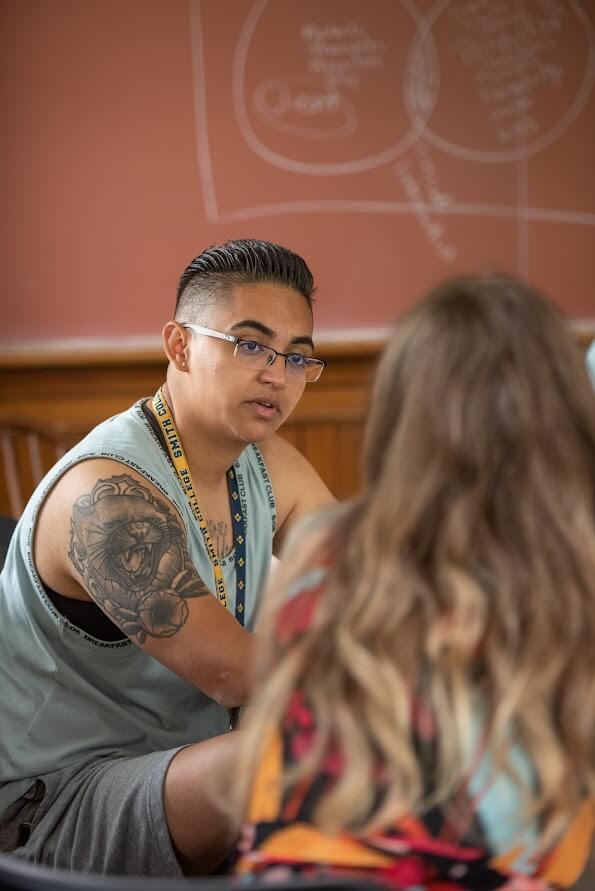
Navigating |
Balancing classes, applications, work, and figuring out who you are can be exhausting, especially if you're the first in your family to go to college, carrying past trauma, or trying to break cycles. You don't have to figure it out alone. Let's work through it together.
Imposter Syndrome
Feeling like you don't belong in the classroom, the lab, or your first job? We'll work on quieting your inner critic and recognizing that you earned your place.
Academic & Career Burnout
The pressure to keep achieving can wear you down. We'll build realistic study routines, set healthy boundaries, and make room for rest without guilt.
Identity & Life Transitions
Starting college, finishing a degree, applying to grad school, or entering your first career can shake your sense of direction. Coaching gives you a space to plan your next steps with clarity.
Academic Coaching & Mentorship Backed by Scholarship, Speaking, and Public Recognition
My academic coaching and academic mentorship are informed by doctoral training, public scholarship, lived experience, and work that has been recognized by universities, academic publishers, nonprofit agencies, and media outlets.
PhD Student at Washington University in St. Louis
My work is grounded in doctoral study, research training, and a commitment to supporting students navigating education, systems, identity, and opportunity.
Chancellor’s Fellow
Selected as a Chancellor’s Fellow at WashU, a recognition that supports doctoral scholarship, leadership, and academic development.
Invited Writer for SAGE Perspectives
Invited to write for SAGE Publications’ SAGE Perspectives platform, connecting scholarship, lived experience, and public dialogue.
Published Author in Families in Society
My peer-reviewed work focuses on lived experience, child welfare, epistemic injustice, and how institutions engage knowledge from people directly impacted by systems.
Featured by the UPenn Field Center
My writing and perspective have been featured by the University of Pennsylvania Field Center in conversations about child welfare, advocacy, and lived experience.
Featured by NBC Los Angeles, LAist, Univision, and The Imprint
My story and work have been highlighted in media outlets covering foster care, education, resilience, advocacy, and systems change.
Academic Coaching for High School, College & Graduate Students
Academic coaching provides personalized support for high school, college, and graduate students who want to improve organization, study habits, writing skills, time management, motivation, and overall academic success. Whether you are preparing for college, adjusting to campus life, or navigating graduate school, coaching helps you build sustainable strategies that extend far beyond a single assignment.
Study Coach for High School Students
Build confidence, strengthen study habits, improve organization, prepare for college, develop writing skills, and learn practical strategies for managing academic expectations without feeling overwhelmed.
Academic Coaching for College Students
Personalized academic coaching for college students who want support with time management, executive functioning, writing, scholarship applications, campus navigation, accountability, and balancing school with work and personal responsibilities.
Graduate School Coaching & Academic Mentorship
Coaching for master's and graduate students seeking support with research planning, academic writing, fellowship and graduate applications, professional development, confidence building, and navigating the expectations of higher education. Community advising and research guidance are available, but dissertation writing services are not offered.
Student Success Coaching for First-Generation & Nontraditional Students
Academic coaching and mentorship designed for first-generation students, foster youth alumni, immigrant students, undocumented students, LGBTQ+ students, transfer students, and others navigating educational systems that may not always reflect their lived experiences.
Academic coaching is different from tutoring. Instead of focusing on a single class or assignment, coaching helps students develop effective study strategies, improve executive functioning skills, strengthen writing and organization, increase accountability, and build long-term habits that support academic and professional success.
Academic Mentorship for College Students Grounded in Scholarship, Practice, and Lived Experience
I bring together academic training, writing, public scholarship, social work, speaking, and lived experience navigating education and systems. This combination allows me to support students with both practical strategies and a deeper understanding of what it can take to belong, persist, and grow.
Best Mentorship that goes beyond study tips
My support is shaped by years of learning how to find opportunities, build relationships, seek funding, communicate with institutions, and move through academic spaces with strategy and persistence.
01 Searching for scholarships, grants, and educational funding +
I have years of experience searching for funding opportunities, educational resources, scholarships, grants, and fellowships. I help students think strategically about where to look, how to organize opportunities, and how to prepare materials that clearly communicate their goals.
02 Fundraising, resource building, and asking for support +
My background includes fundraising and resource development. I understand how difficult it can feel to ask for support, explain your vision, and connect your story to a larger purpose. That experience informs how I mentor students around opportunity seeking, communication, and confidence.
03 Building relationships with organizations and institutions +
I have built relationships with organizations, institutions, programs, and professional networks. This matters because many academic opportunities come through communication, follow-through, and learning how to approach people and institutions with clarity.
04 Connecting with professors, researchers, and scholars +
From a young age, I learned how to connect with professors, researchers, and scholars across the country and internationally. I help students understand how academic relationships can support their development, research interests, applications, and professional growth.
05 Writing with impact before formal academic recognition +
I was invited to write for SAGE Perspectives before my PhD acceptance, which speaks to the impact of my writing, scholarship, and public voice beyond formal academic titles alone. I help students strengthen their ideas, clarify their voice, and write with purpose.
06 Speaking in governmental, nonprofit, and academic spaces +
I have been invited to speak in major county government, nonprofit, and academic spaces. This experience informs how I support students with professional presence, communication, confidence, and learning how to share their work in ways that feel grounded and clear.
Now, as a PhD student and Chancellor’s Fellow at Washington University in St. Louis, I bring these experiences together to support students who are trying to access opportunities, strengthen their writing, build confidence, and navigate academic spaces with more clarity.
What Makes Academic Coaching Different than Tutoring?
Many students do not only need help with one subject. They need support understanding how they learn, how to stay organized, how to manage pressure, and how to build confidence in academic spaces.
Traditional Tutoring
Tutoring usually focuses on a specific subject, course, exam, or assignment.
- Homework help
- Subject-specific instruction
- Test preparation
- Course content review
- Short-term academic assistance
Educational Coaching
Educational coaching looks at the bigger picture of how a student moves through school and what support helps them grow.
- Academic confidence
- Motivation and structure
- Writing and voice development
- Graduate school preparation
- Systems navigation and long-term goals
Beyond AI Generated Advice
AI tools can help students brainstorm ideas, summarize information, organize notes, and get started with writing. But academic growth, graduate school preparation, PhD development, and early career direction often require more than quick answers.
Students today have access to more tools than ever, but access to information does not always create clarity. High school students, college students, graduate students, PhD students, and early career professionals may still feel unsure about how to make decisions, build confidence, communicate their story, or move through academic and professional spaces.
AI can generate suggestions, outlines, and language. What it cannot do is understand the full context of your life, your goals, your background, your relationships, your fears, your strengths, and the systems you are navigating.
Educational coaching and academic mentorship provide a space to think through decisions, strengthen your writing, prepare for applications, develop your voice, and build structure in a way that is personal, realistic, and connected to your long-term goals.
My role is not to replace the tools students already use. My role is to help students move beyond generic advice and develop direction, strategy, confidence, and a clearer sense of what comes next.
What Human Mentorship Offers
- Personalized Guidance Support that considers your background, goals, strengths, and current stage of development.
- Writing and Voice Development Help strengthening essays, statements, research ideas, applications, and professional narratives.
- Academic Strategy Support with planning, organization, motivation, time management, and academic confidence.
- Graduate and PhD Preparation Guidance with applications, research interests, faculty fit, interviews, and doctoral readiness.
- Early Career Direction Mentorship for students and emerging professionals clarifying their next steps, opportunities, and long-term goals.
Strong students do not only need information. They need mentorship, reflection, strategy, encouragement, and support from someone who understands how academic and professional systems work.
Graduate School Coaching & Application Support
Applying to graduate school involves much more than submitting an application. Graduate school coaching provides personalized guidance for students exploring master's programs, preparing competitive applications, writing statements of purpose, identifying research interests, and building confidence throughout the admissions process.
- Graduate school application coaching: Explore graduate programs, compare options, create application timelines, identify faculty interests, and develop a strategy that aligns with your academic and career goals.
- Statement of purpose coaching: Receive feedback on personal statements, statements of purpose, and academic essays while learning how to communicate your experiences, interests, and future goals with clarity and authenticity.
- Research interests & academic identity: Clarify your research interests, lived experiences, intellectual questions, and professional direction to strengthen graduate school applications and future academic opportunities.
- Graduate school interview preparation: Practice common interview questions, discuss faculty fit, prepare for admissions conversations, and build confidence communicating your academic experiences and goals.
- Academic & research career coaching: Explore careers in higher education, research, nonprofits, and public scholarship while receiving community advising on publishing, conference presentations, networking, and navigating graduate school expectations.
Academic Coaching for First-Generation, Immigrant & Nontraditional Students
Success in school is about more than studying. Many students are also learning how to navigate college systems, financial aid, office hours, research opportunities, networking, internships, professional communication, and expectations that are rarely explained in the classroom. Academic coaching provides personalized guidance for students building confidence while learning to navigate higher education.
Whether you are looking for a first-generation college coach, an online academic coach, a study skills coach, or support balancing school with work, caregiving, immigration experiences, or foster care, coaching focuses on practical strategies, accountability, organization, and long-term student success while honoring the experiences that shape your educational journey.
Student Success Coaching with Lived Experience & Research
My approach combines academic coaching, social work, research, public scholarship, and lived experience supporting students through major educational transitions. Coaching is collaborative, strengths-based, and designed to help students develop study skills, executive functioning strategies, academic confidence, and a stronger sense of belonging in higher education.
Online Academic Coach for High School, College & Graduate Students
Looking for an online academic coach or study coach? Virtual academic coaching provides personalized support for high school, college, and graduate students who want to improve study skills, organization, time management, writing, motivation, and academic confidence. Online sessions make it possible to receive one-on-one coaching from anywhere in the United States.
Whether you need a study skills coach to develop better learning habits, an online academic coach for accountability and organization, or a first-generation college coach who understands the hidden curriculum of higher education, coaching is designed to help you build sustainable strategies that support long-term academic and professional success.
Virtual Academic Coaching Services
Online academic coaching may include study coaching, study skills coaching, college success coaching, academic writing support, executive functioning strategies, graduate school application coaching, statement of purpose feedback, first-generation college coaching, research planning, accountability coaching, and personalized support for nontraditional, transfer, immigrant, and foster youth students.
Educational Consulting, Training & Speaking
I also partner with schools, universities, nonprofit organizations, and public agencies seeking training or consultation on student success, lived experience, foster youth, trauma-informed education, and the realities students navigate inside and outside the classroom.
Student Success
Support for programs seeking to better understand student engagement, persistence, belonging, and academic confidence.
Foster Youth & Higher Education
Consulting and speaking on educational pathways, barriers, identity, support systems, and the needs of foster youth alumni.
Trauma-Informed Education
Training that helps organizations understand how stress, systems involvement, and lived experience can shape learning.
Lived Experience & Youth Voice
Support for organizations seeking to engage lived experience ethically, respectfully, and beyond surface-level inclusion.
Practical Strategy Meets Motivation, Confidence, and Structure
Educational coaching supports both the practical side of school and the emotional side of learning. Students often need more than reminders to study. They may need help understanding what gets in the way, building realistic systems, and developing confidence in how they learn.
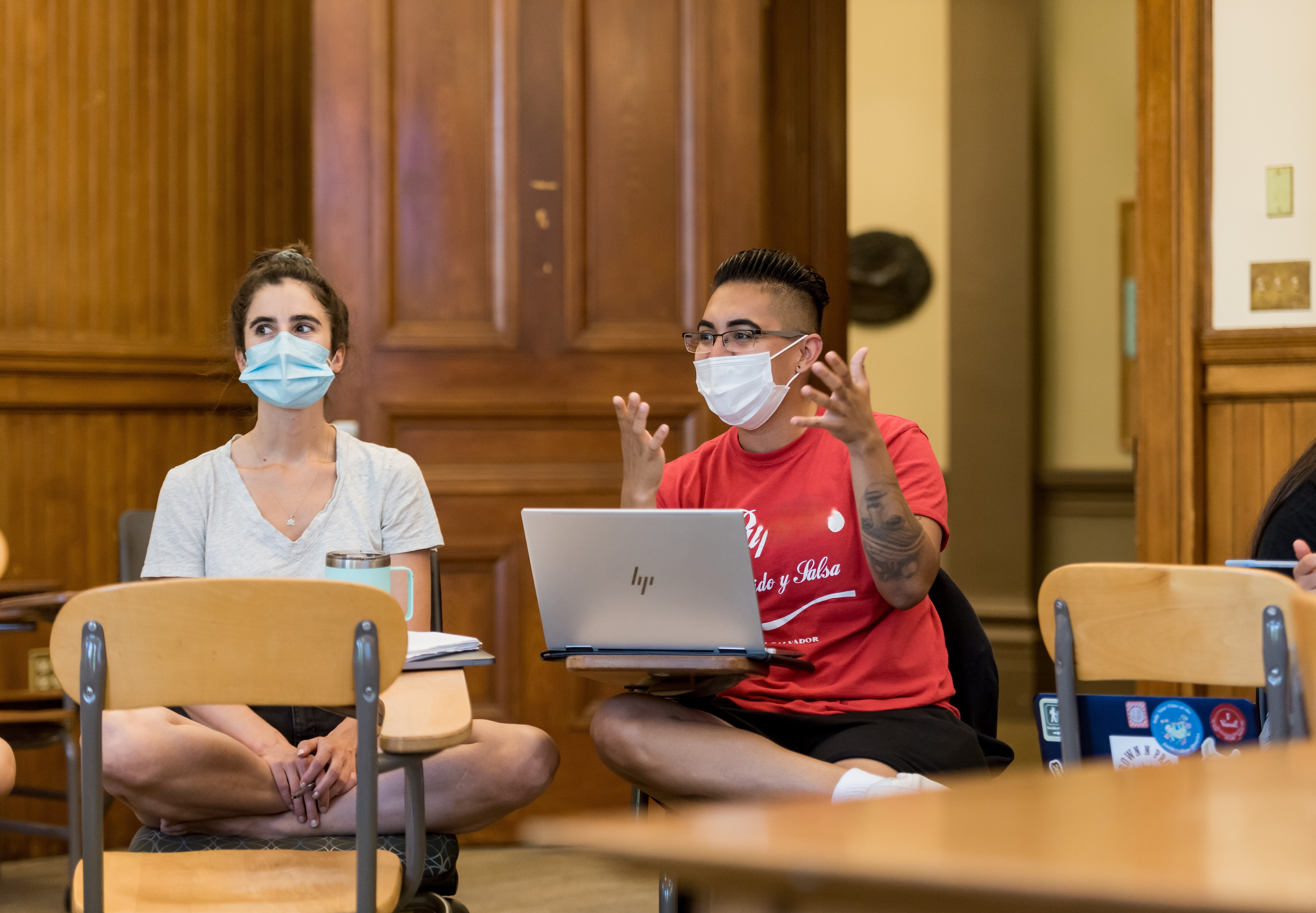
Academic and Practical Support
Students learn how to plan their week, manage their time, stay organized, and approach academic tasks in a way that fits their learning style and goals.
- ✦ Study skills, time management, and organization
- ✦ Writing support for essays, statements, and research papers
- ✦ Goal-setting and academic planning
- ✦ Support for college or graduate school applications
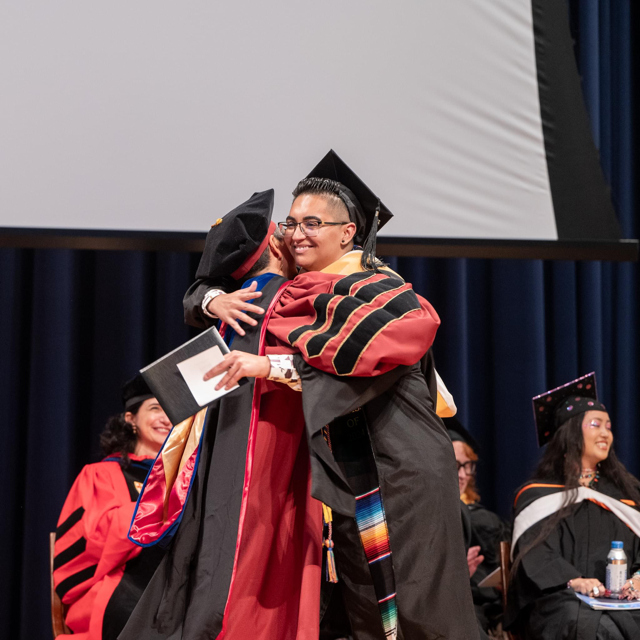
Emotional and Motivational Support
School is not only an academic experience. Many students are also navigating stress, perfectionism, imposter feelings, avoidance, or pressure to perform.
- ✦ Academic anxiety and perfectionism
- ✦ Stress, avoidance, and imposter feelings
- ✦ Building self-esteem and academic confidence
- ✦ Mindset, motivation, and accountability coaching
Schedule an Educational Coaching Consultation
Whether you are preparing for college, navigating graduate school, rebuilding academic confidence, strengthening your writing, or seeking support through a major educational transition, coaching can provide a structured space to clarify goals, strengthen skills, and move forward with greater confidence.
Not sure where to start? Feel free to email me with questions about educational coaching, graduate school mentorship, academic writing support, speaking engagements, or consulting services before scheduling a consultation.
SUPPORT